
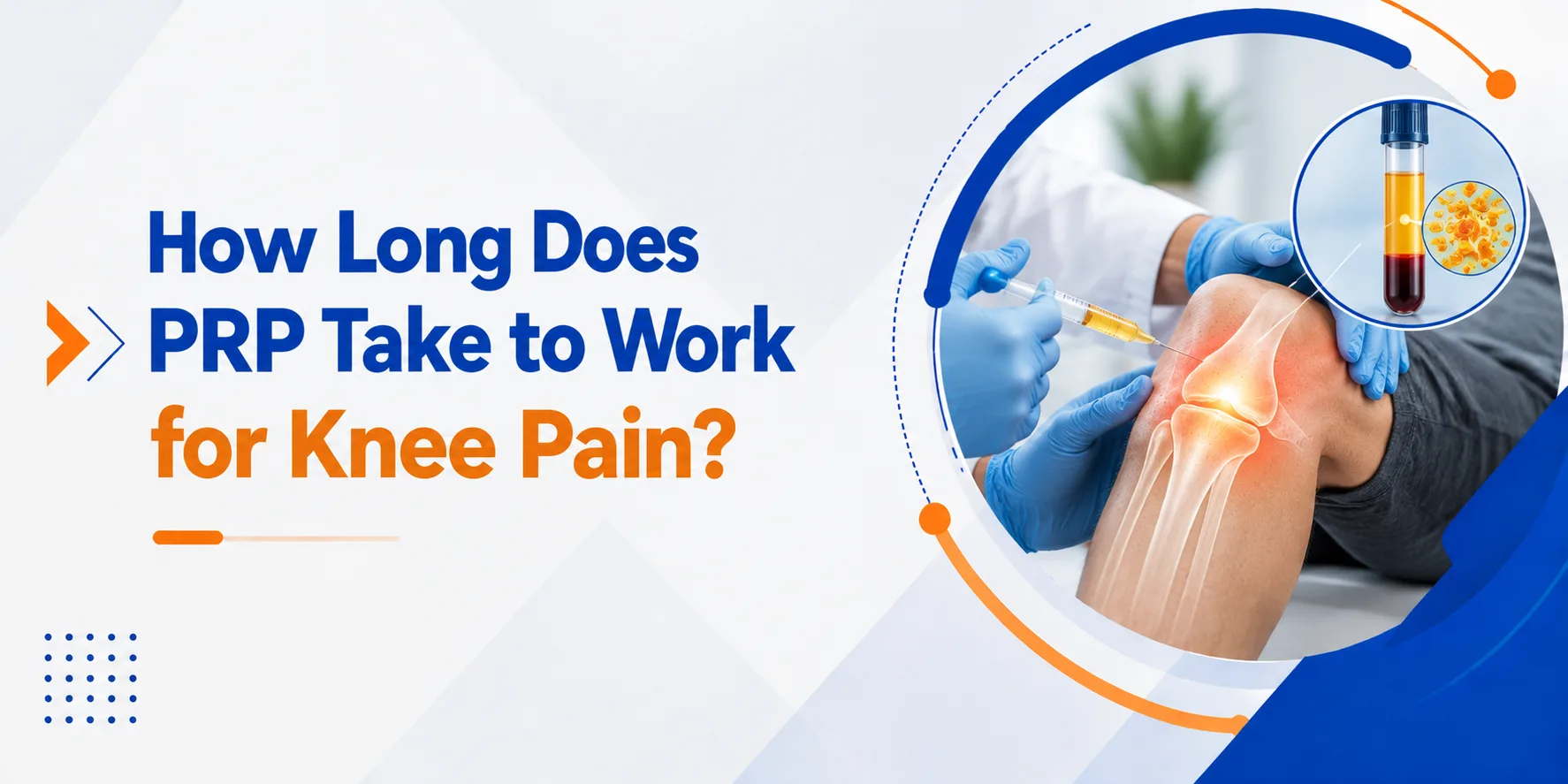
How Long Does PRP Take to Work for Knee Pain?
Most people notice improvement in their knee about two to six weeks after a PRP injection for knee pain. The bigger gains take longer and tend to build over the three to six month mark. PRP isn't instant, and that surprises many patients. Here's what the timeline...

How Long Can You Live With Avascular Necrosis?
TL;DR: Avascular necrosis (AVN) does not shorten your overall life expectancy, it's a bone and joint condition, not a life-threatening disease. However, if left untreated, it can progressively worsen over months to years, eventually leading to joint collapse,...

Why Do Some Patients Walk the Same Day After DAA?
Same day walking after DAA hip replacement comes down to what the surgery leaves undisturbed, not just pain control or willpower. Because Direct Anterior Approach hip replacement works through a muscle sparing interval instead of cutting through major stabilizing...
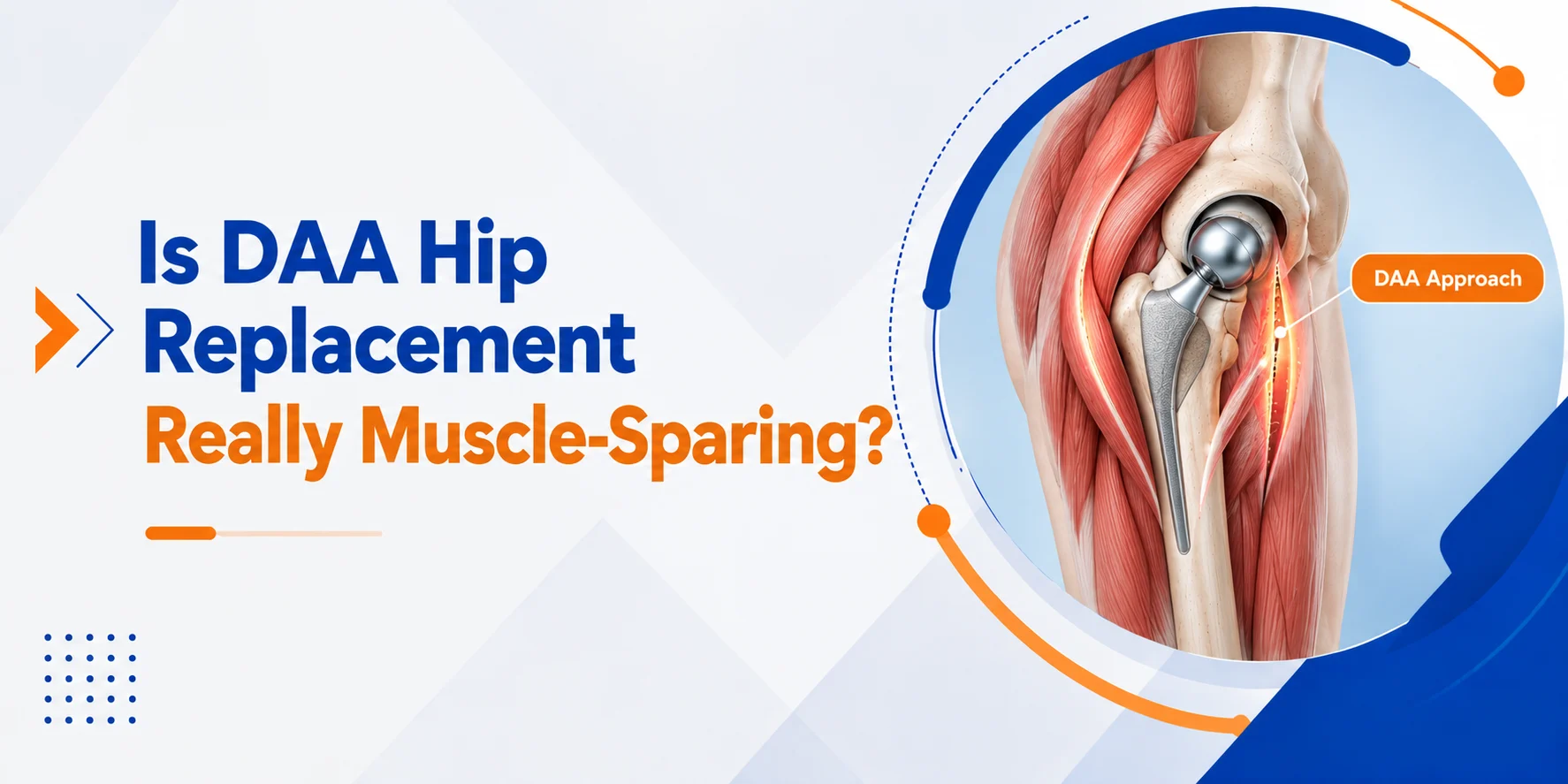
Is DAA Hip Replacement Really Muscle-Sparing?
DAA hip replacement earns its muscle-sparing reputation because of the route the surgeon takes to reach the hip joint. The approach works through a natural gap between two front hip muscles, the sartorius and tensor fasciae latae, known as the Smith-Petersen interval,...

Knee Replacement Recovery Timeline: What to Expect Week by Week
Recovery after knee replacement follows a fairly predictable pattern for most patients: the first few days focus on pain control and getting up with support, the first 6 weeks bring rapid gains in bending and walking, weeks 6–12 are about building strength and...

What Are the 4 Stages of AVN of the Hip?
AVN of the hip does not appear overnight. It moves through four identifiable stages as blood supply to the femoral head is disrupted and bone tissue begins to die, most often classified using the Ficat and Arlet system. Each stage marks a different point in that...

Core Decompression for AVN: Can It Help You Avoid Hip Replacement?
TL;DR: If avascular necrosis (AVN) of the hip is diagnosed in Stage 1 or early Stage 2 before the femoral head collapses, core decompression may reduce pain, improve blood flow, and delay or avoid hip replacement in selected patients. MRI is the most important test...

Is Robotic Knee Replacement Better Than Manual?
Robotic knee replacement uses a computer guided robotic arm and a 3D joint model to plan bone cuts and implant position. Manual surgery relies on handheld instruments and physical alignment guides instead. Both place the same implants, so the real difference comes...
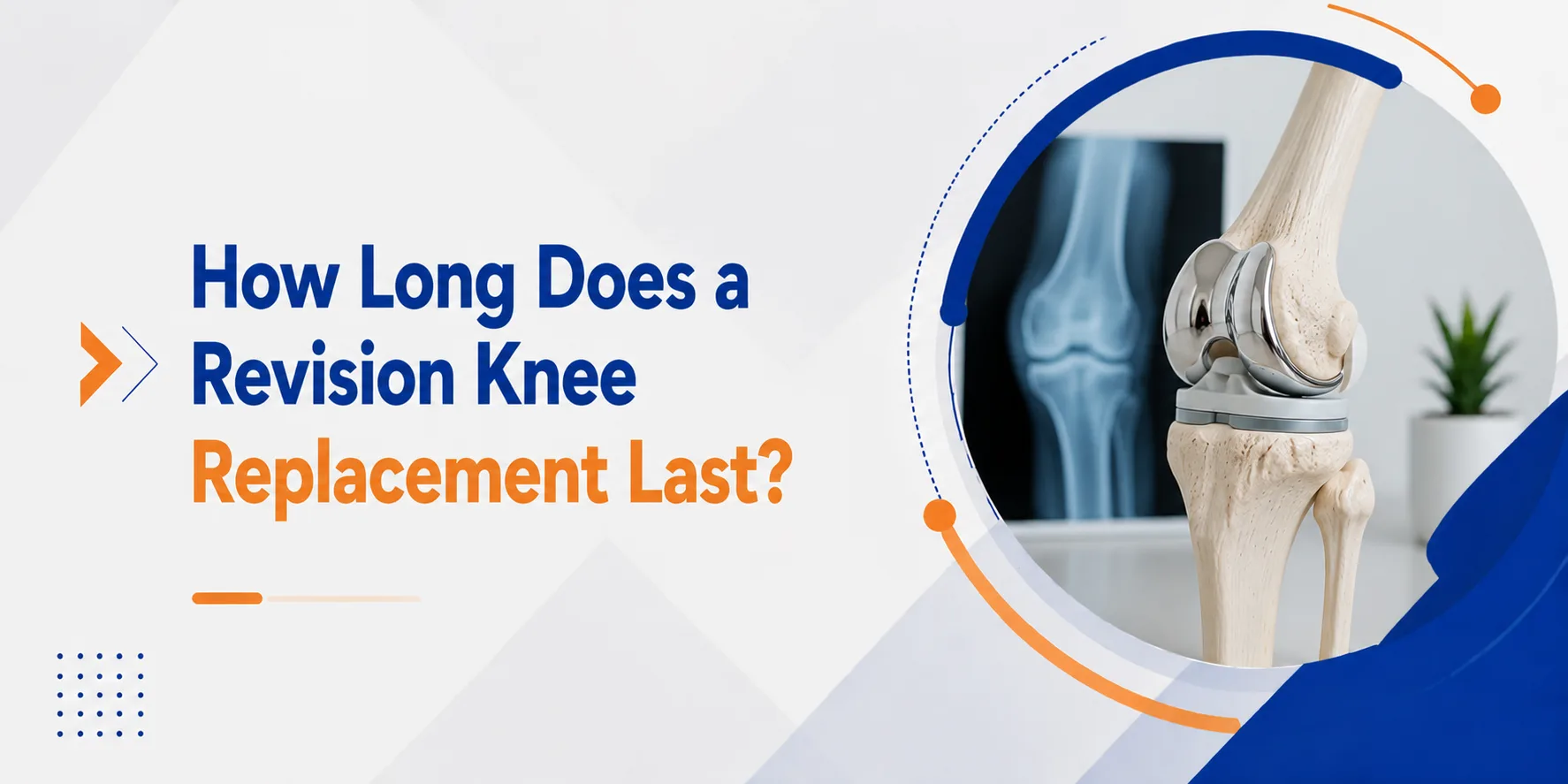
How Long Does a Revision Knee Replacement Last?
A revision knee replacement typically holds up for 10 to 15 years, with some implants performing well past 20. Revision knee replacement surgery tends to have a shorter working life than a first time replacement, mainly because there's less healthy bone to anchor into...
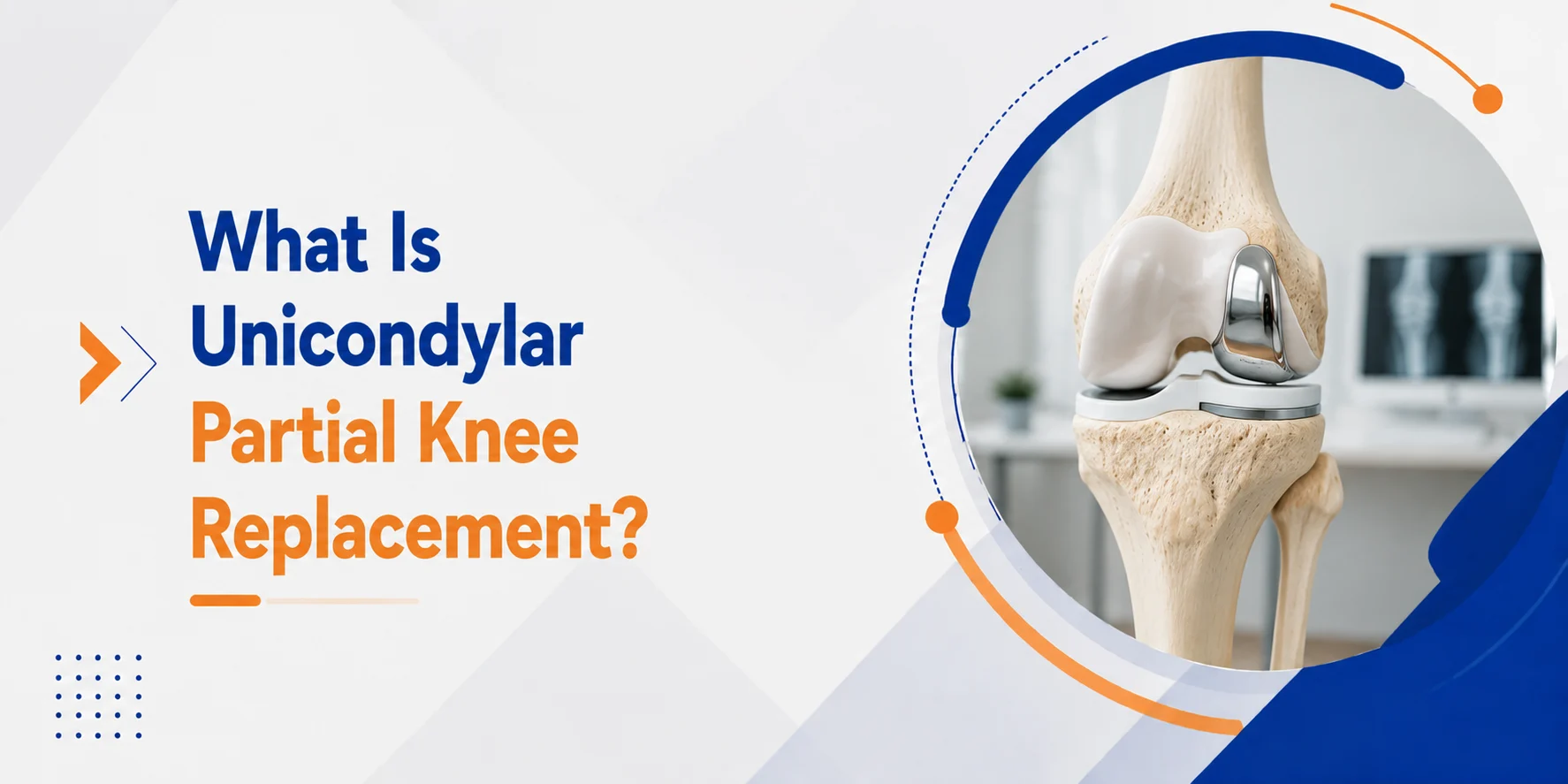
What Is Unicondylar Partial Knee Replacement?
Unicondylar partial knee replacement, also called unicompartmental knee replacement, treats arthritis in just one section of the knee. Not the whole joint. The surgeon resurfaces the damaged compartment alone, with metal and plastic, and leaves the healthy bone,...

Hip Replacement in Your 30s and 40s
Hip replacement in your 30s or 40s might sound premature, but age by itself never rules a patient out. Younger adults undergo total hip replacement fairly often, usually because osteoarthritis, hip dysplasia, or AVN has already caused severe joint damage and...

Can Both Hips or Knees Be Replaced Together?
Replacing both hips or both knees in a single surgery is technically possible. It's called simultaneous bilateral joint replacement. Many surgeons still recommend splitting the two sides into staged procedures, done weeks or months apart, because spacing the surgeries...