
Orthopedic · Hip & Knee Surgeon
Orthopedic Surgeon in Navi Mumbai
Internationally trained in Robotic Hip & Knee Replacement with non-surgical options always explored first.
replacements
treated without
surgery
experience
Dr. Avinashdev Upadhyay is an internationally trained orthopedic surgeon in Navi Mumbai, specializing in Robotic Hip & Knee Replacement — with non-surgical options always explored first before recommending an operation. From early-stage AVN to advanced joint damage, every treatment plan is built around one goal, getting you back to pain-free movement, safely and sustainably.
❝ Robotic precision and years of training mean one thing for my patients — a faster, more predictable recovery.❞
— Dr. Avinashdev Upadhyay
Case Studies
Neck of Femur Fracture in a 50-Year-Old — Direct Anterior Approach Total Hip Replacement
Mr Gaurish Raut, a 50-year-old man, suffered a fall from height at home that resulted in a fracture of the femur bone. Following the fall, he experienced pain and was unable to walk. An X-ray confirmed the injury as a neck of femur fracture.
Services Offered
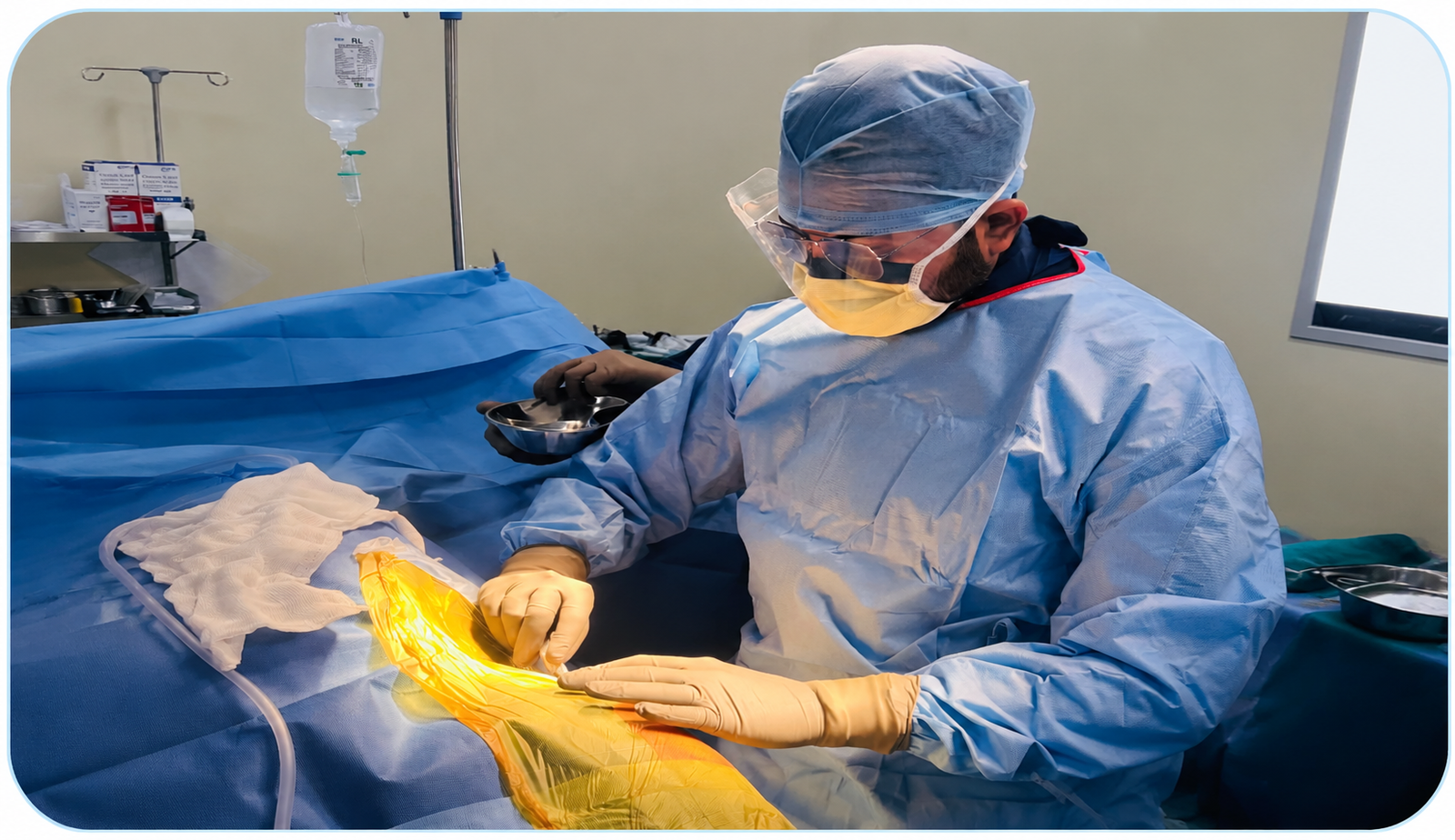
Direct Anterior Hip Replacement (DAA)
Muscle-sparing technique. Many patients walk the same day.
Learn More ->
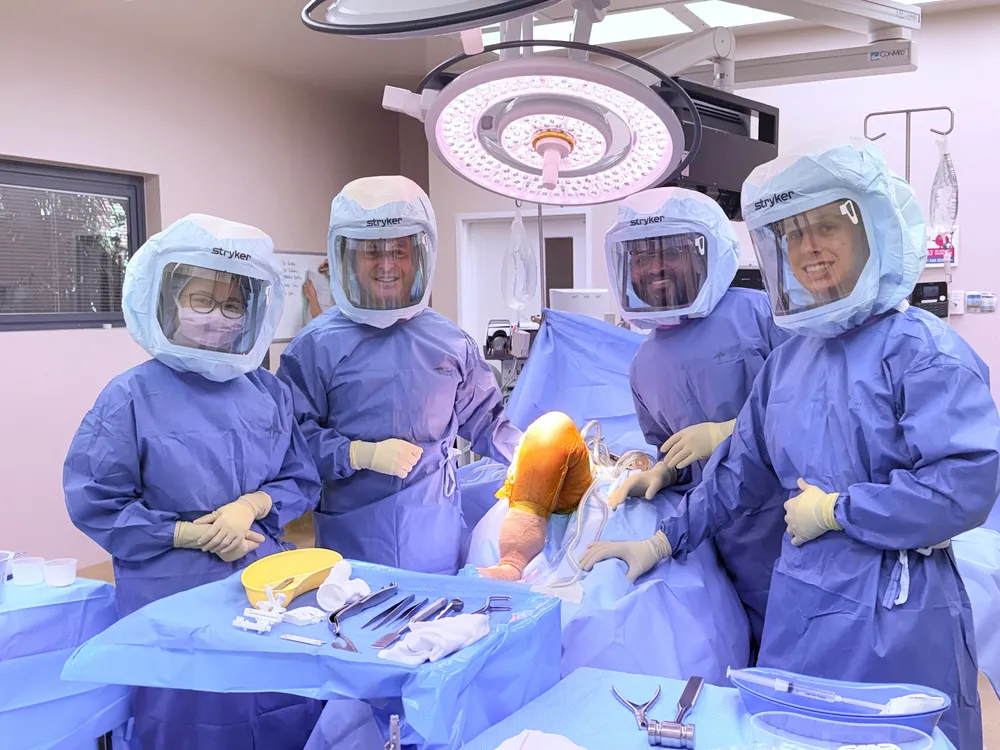
Robotic Total Knee Replacement
Robotic precision for lasting relief from advanced knee arthritis.
Learn More ->
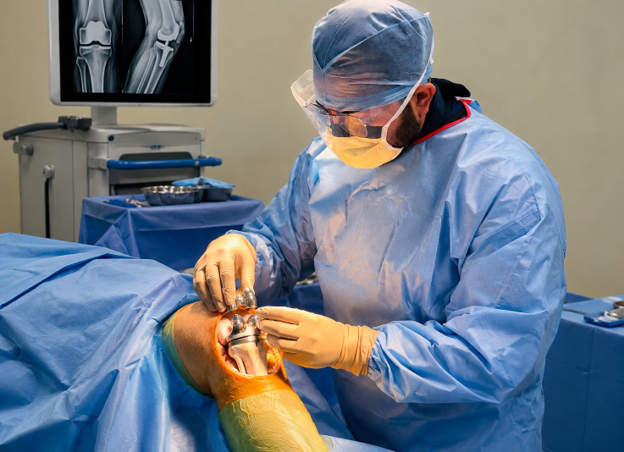
Partial Knee Replacement
Minimally invasive option for knee arthritis limited to one area.
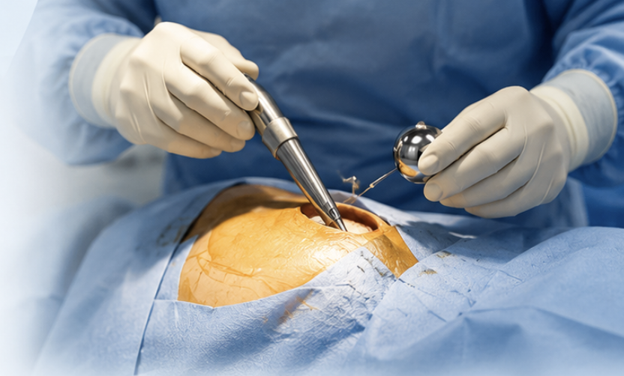
Total Hip Replacement
Durable, time-tested hip replacement to restore pain-free movement.
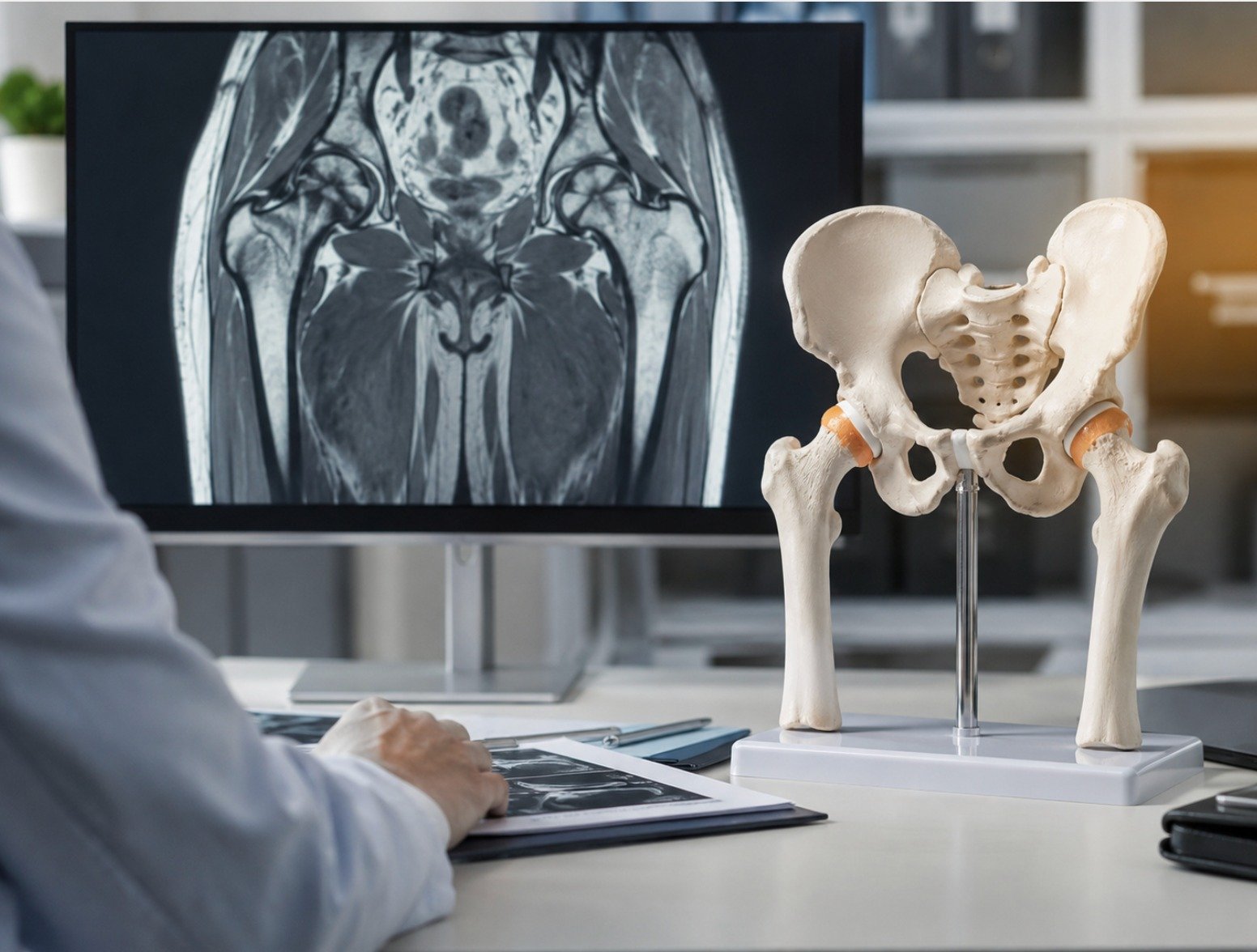
AVN Hip Treatment
Joint-preserving care for avascular necrosis, surgery only when needed.
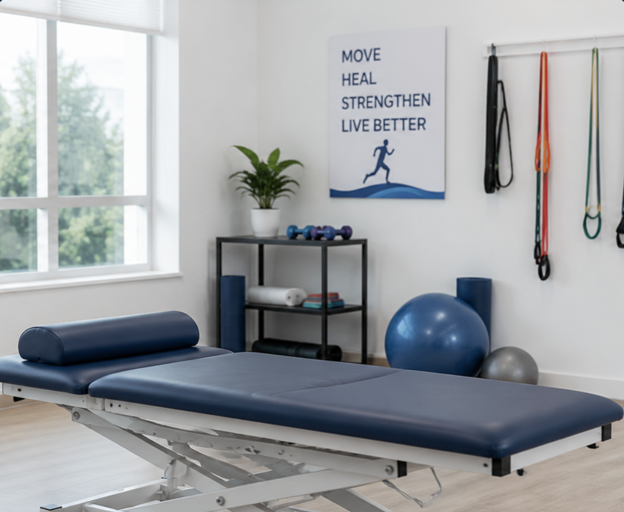
Non-Surgical Knee Pain Treatment.
PRP, injections, physiotherapy and more, relief without an operation.
Don’t wait until joint damage becomes severe
Early treatment can help you avoid major surgery. Consult Dr. Avinashdev Upadhyay to understand the best option for your condition.
Years Experience
Dr. Avinashdev Upadhyay
Consultant Orthopedic & Robotic Joint Replacement Surgeon
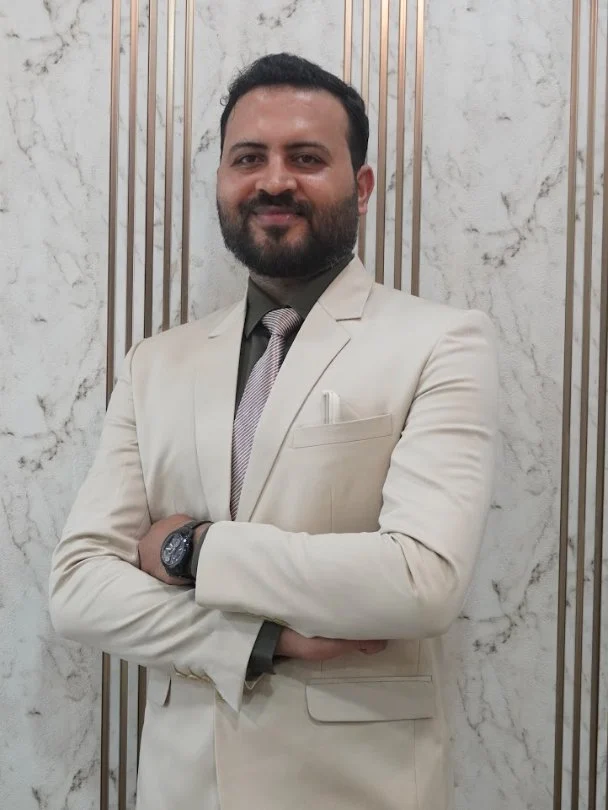
An orthopedic surgeon dedicated to helping patients overcome hip and knee pain through advanced surgery and proven non-surgical care. With 10+ years of experience, he has performed 500+ joint replacements and treated 2,000+ AVN patients without surgery. We offer services in areas like Nerul and Seawoods, making expert orthopedic care easily accessible to patients across the region.
“My goal is always the fastest, safest path back to the life you want to live.”
Get In Touch
Robotic Direct Anterior Hip Replacement
One of the few surgeons in India performing this muscle-sparing, minimally invasive technique — reaching the hip through a natural gap between muscles, with robotic precision.
Smaller incision, less muscle damage
Lower risk of dislocation
Reduced post-operative pain
Walking often the same or next day
Don’t wait until joint damage becomes severe
Early treatment can help you avoid major surgery. Consult Dr. Avinashdev Upadhyay to understand the best option for your condition.
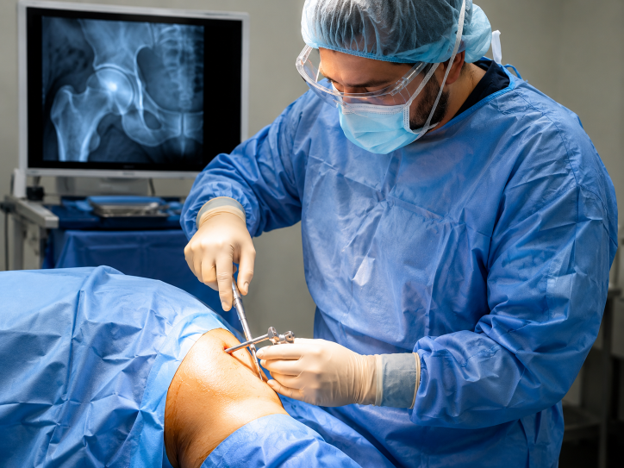
AVN of the Hip? Surgery Isn’t Always the Answer
Avascular necrosis happens when the hip bone loses its blood supply. Caught early, it can often be managed without a replacement, which is why the first conversation matters most.
2,000+
AVN Patients Treated Without Surgery
Activity modification & protected weight-bearing
Medication for bone health
Regenerative & joint-preserving treatments
Replacement reserved for advanced stages
Robotic MIS Total Knee Replacement
Computer-guided robotic planning combined with a minimally invasive (MIS) approach — for accurate implant alignment, less soft-tissue disruption and a smoother, faster recovery.
Robotic precision for accurate alignment
Smaller cut, less muscle & tissue damage
Less blood loss and reduced pain
Faster mobilisation and shorter hospital stay
Non-Surgical Knee Pain Treatment.
Many patients with knee pain can avoid an operation when the problem is caught early.
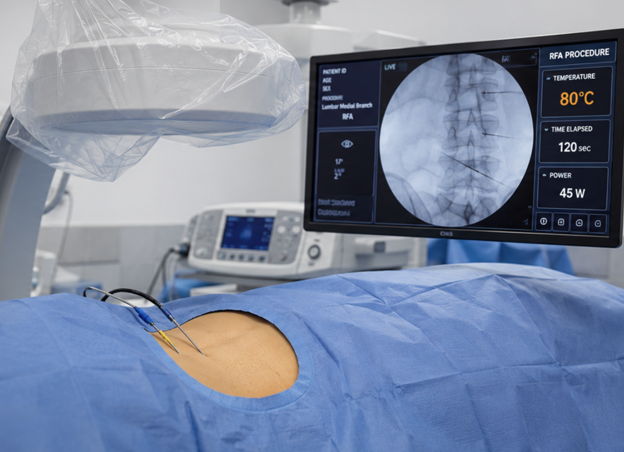
RFA
Radiofrequency ablation to interrupt pain signals from the knee joint.
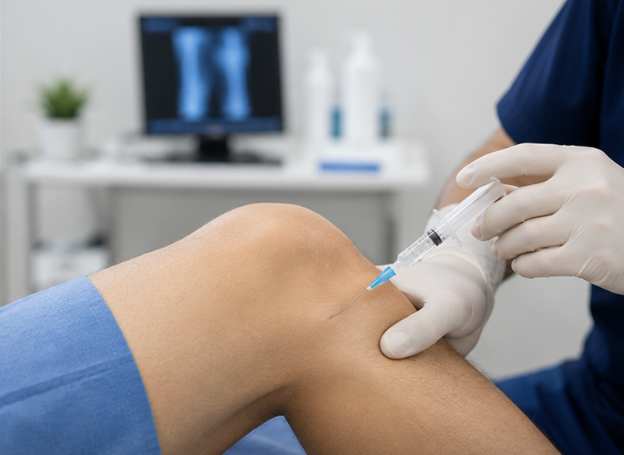
Hyaluronic Acid (Gel Injection)
Viscosupplementation injections to cushion and lubricate the joint.
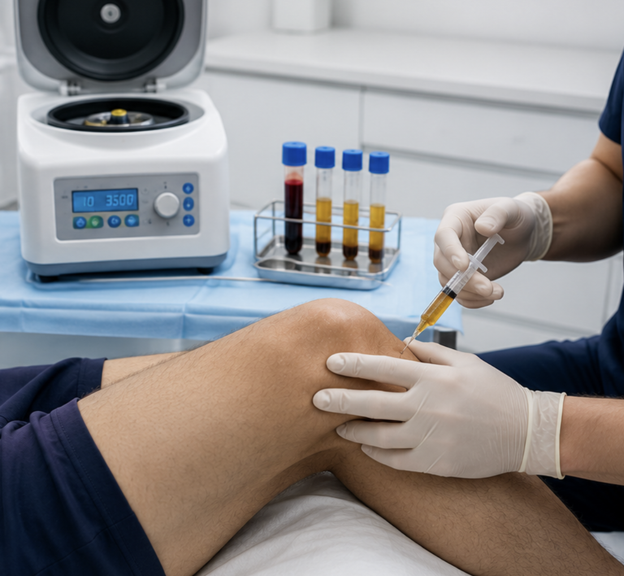
PRP / GFC Injection
Concentrated growth factors to support healing in early arthritis.

Weight Loss Program
Structured weight reduction to ease load on the knee joints.
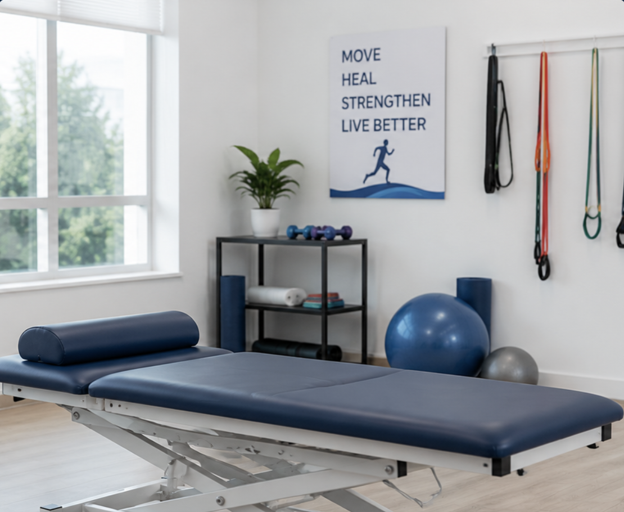
Guided Physiotherapy Program
Strengthening to stabilise the joint, reduce pain and improve function.
Why timing changes everything
The earlier AVN is caught, the more likely the natural joint can be saved.
Stage 1
Earliest signs
Often no symptoms yet. Natural joint usually preserved with non-surgical care.
Stage 2
Mild changes
Visible on imaging. Joint-preserving treatment is still the goal.
Stage 3
Collapse begins
Joint surface starts flattening. Surgery may be discussed depending on pain and damage.
Stage 4
Advanced damage
Direct Anterior hip replacement restores movement and relieves pain.
Don’t wait until joint damage becomes severe
Early treatment can help you avoid major surgery. Consult Dr. Avinashdev Upadhyay to understand the best option for your condition.
Internationally Trained
Fellowship Affiliations
A cleaner view of the fellowship and institutional affiliations associated with Dr. Avinashdev Upadhyay’s joint replacement training.

Sunshine Coast Orthopaedic Group (SCOG)
Robotic hip & knee fellowship, Australia

Sunshine Coast University Private Hospital (SCUPH)
Fellowship training hospital, Australia

Buderim Private Hospital (BPH)
Fellowship training hospital, Australia

P. D. Hinduja Hospital & Medical Research Centre
Hip & Knee Joint Replacement & Complex Trauma Fellowship, Mumbai, India
Awards & Recognitions
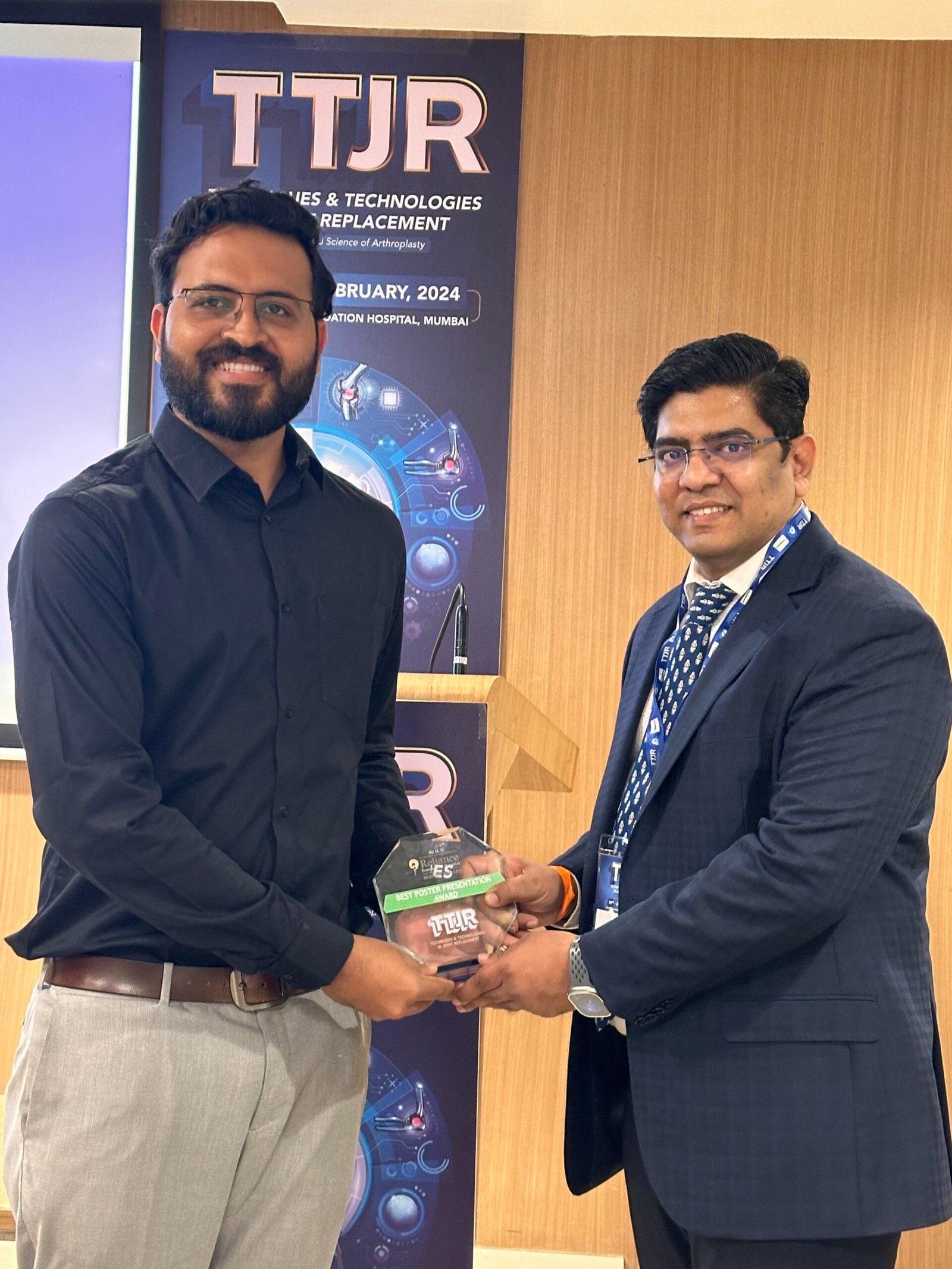
Award for Best Poster Presentation
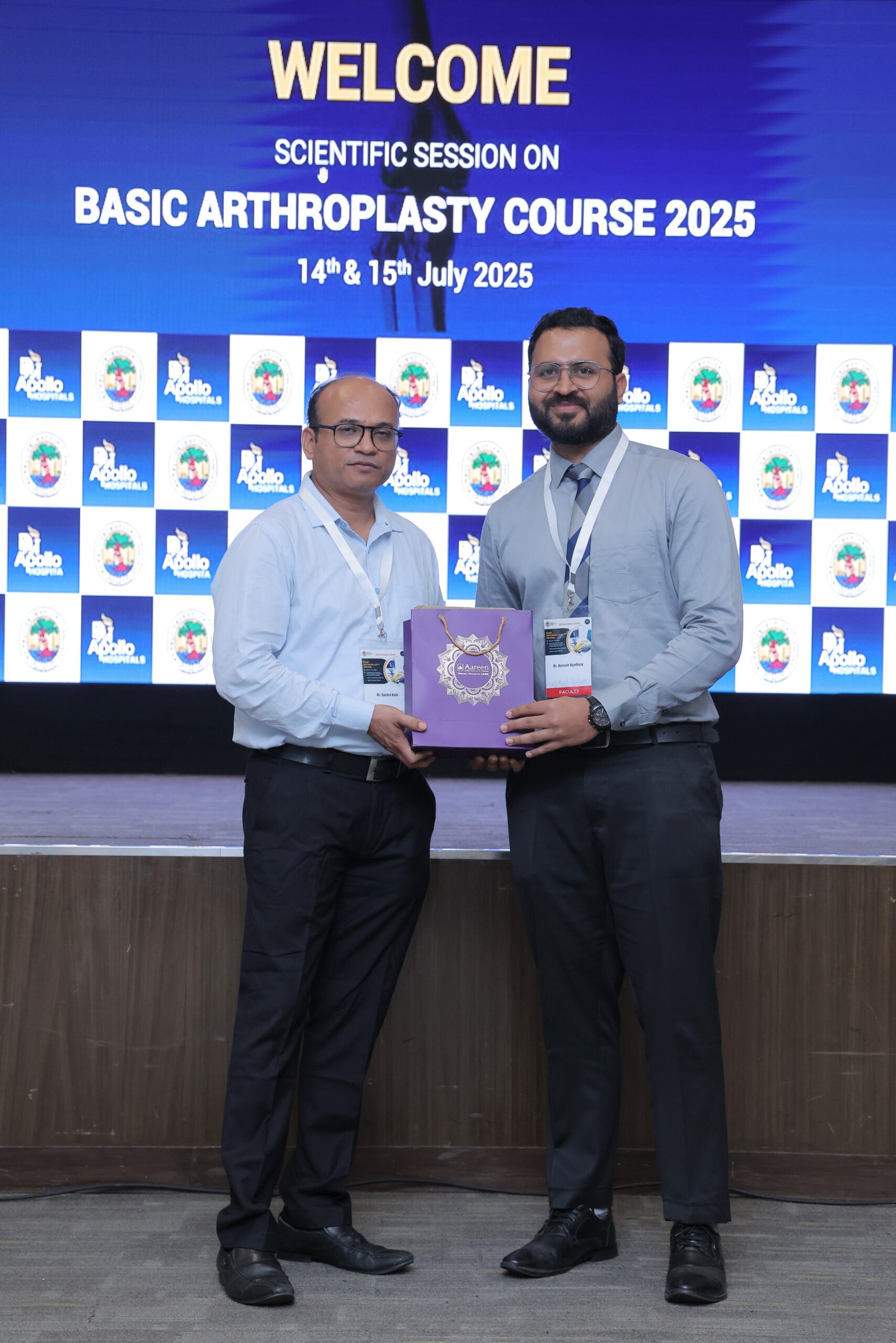
Award for Basic Arthroplasty Course 2025
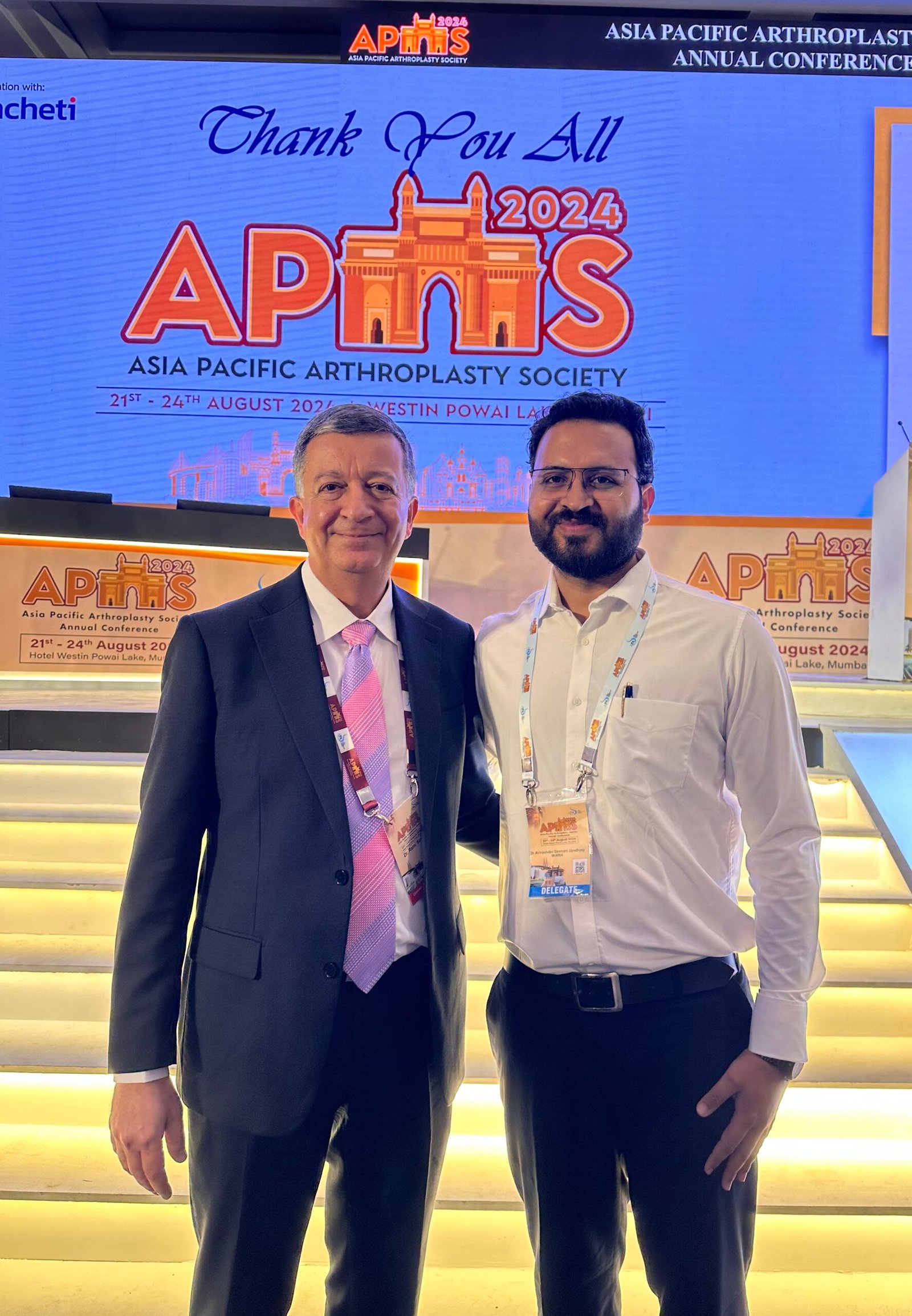
Presenting Research Article at Joint Replacement Conference
Why Dr. Avinashdev Upadhyay
What makes patients across Navi Mumbai trust Dr. Avinashdev with their hip and knee care.

Internationally Trained
Fellowship-trained in Australia in robotic hip and knee replacement.

Robotic & Minimally Invasive
One of the few in India performing robotic Direct Anterior Hip Replacement.

Surgery Only When Needed
2,000+ AVN patients treated without surgery before replacement is considered.

Clear, Honest Guidance
Every option explained in plain language so you decide with confidence.

500+ Joint Replacements
A decade of surgical experience behind every treatment plan.

Local to Navi Mumbai
Based in Seawoods, serving Nerul, Vashi, Kharghar, Panvel and beyond.
Patient Stories
What our patients say
Real recovery journeys from across Navi Mumbai — video testimonials and verified Google Reviews.


Publications




Patient Testimonials
Our Blogs
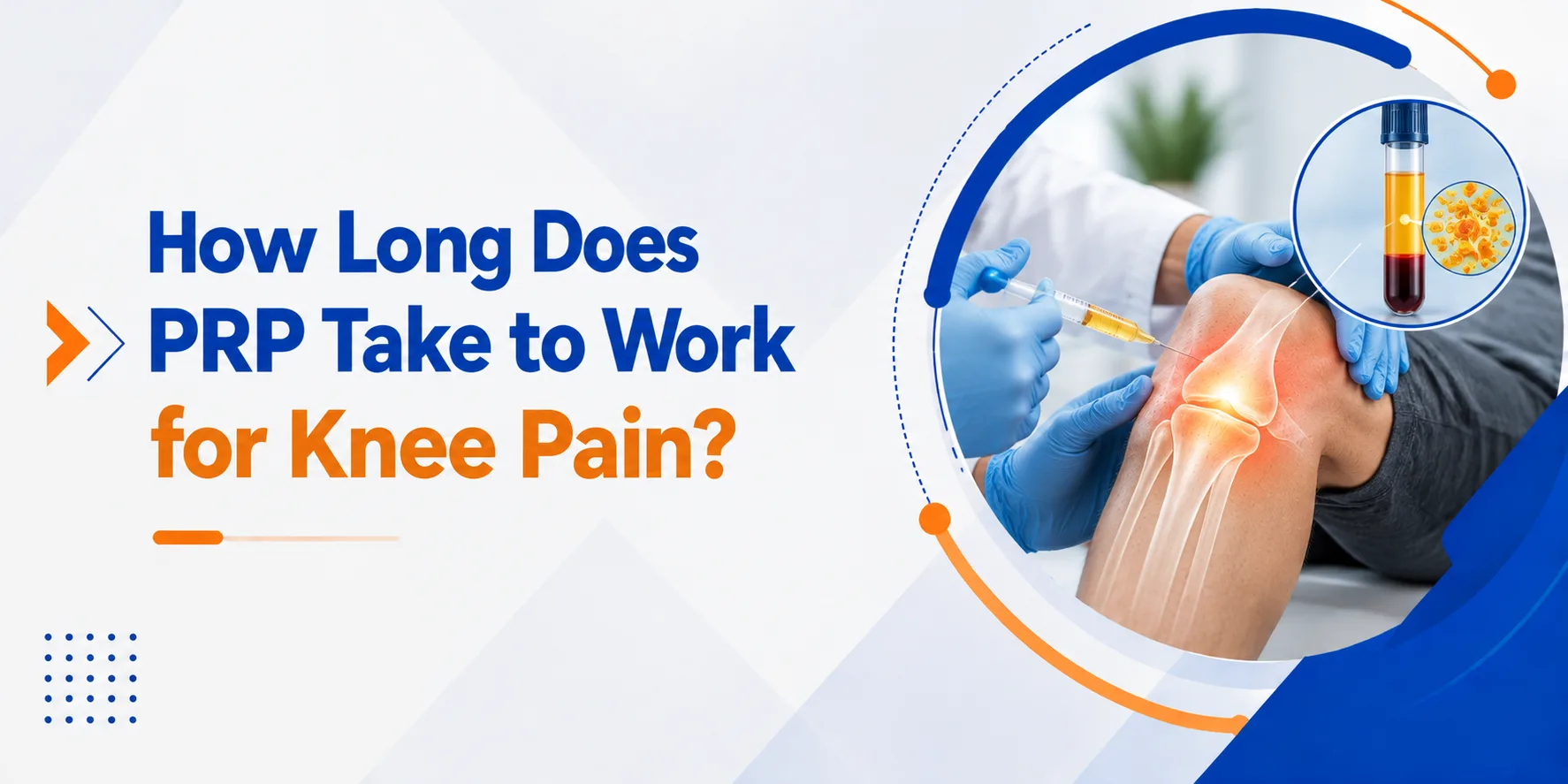
How Long Does PRP Take to Work for Knee Pain?
Most people notice improvement in their knee about two to six weeks after a PRP injection for knee pain. The bigger gains take longer and tend to build over the three...
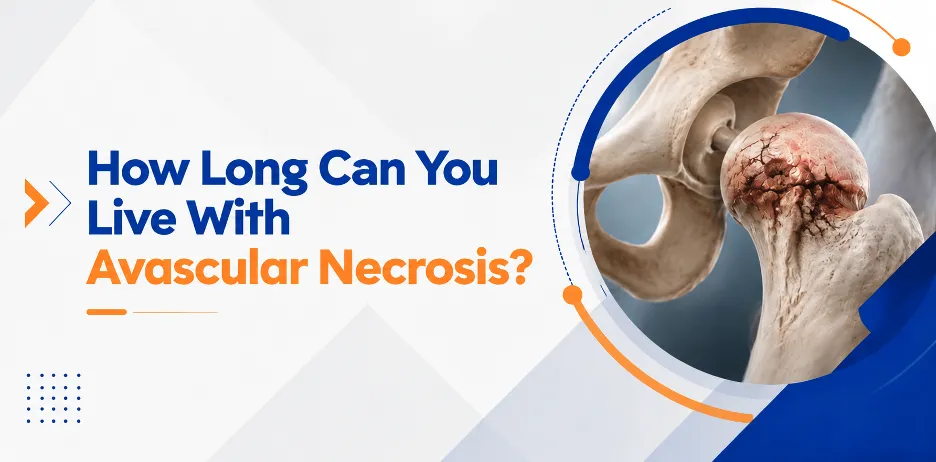
How Long Can You Live With Avascular Necrosis?
TL;DR: Avascular necrosis (AVN) does not shorten your overall life expectancy, it's a bone and joint condition, not a life-threatening disease. However, if left...
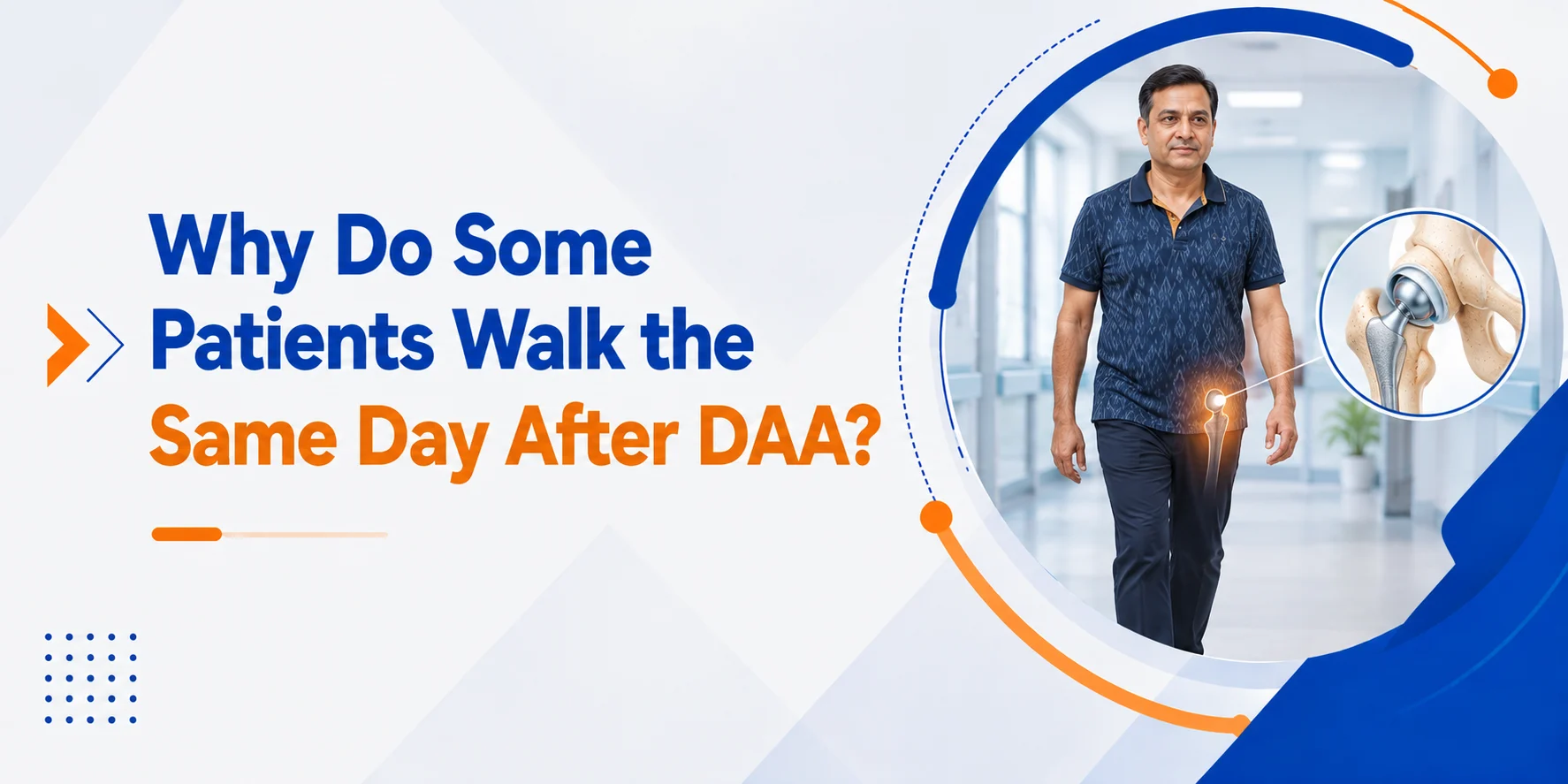
Why Do Some Patients Walk the Same Day After DAA?
Same day walking after DAA hip replacement comes down to what the surgery leaves undisturbed, not just pain control or willpower. Because Direct Anterior Approach hip...
Don’t wait until joint damage becomes severe
Early treatment can help you avoid major surgery. Consult Dr. Avinashdev Upadhyay to understand the best option for your condition.
Frequently asked questions
Can knee pain be treated without surgery?
Yes. Most patients with early arthritis, cartilage wear, ligament injuries or overuse-related knee pain can be treated successfully without surgery — using medication, physiotherapy, weight management, activity modification and advanced injection therapies such as PRP or hyaluronic acid.
Who is the best orthopedic surgeon in Navi Mumbai?
Dr. Avinashdev Upadhyay is a fellowship-trained orthopedic, hip and knee surgeon in Seawoods, Navi Mumbai, with 10+ years of experience, 500+ joint replacements and 5,000+ happy patients. He is one of the few surgeons in India performing robotic Direct Anterior Hip Replacement.
Can AVN of the hip be treated without surgery?
Yes. In early stages, AVN can often be managed without surgery through activity modification, protected weight-bearing, medication and joint-preserving treatments. Dr. Upadhyay has treated over 2,000 AVN patients without surgery; replacement is reserved for advanced stages.
When is Total Knee Replacement surgery required?
It is recommended when knee arthritis causes severe pain, stiffness and reduced mobility that no longer responds to medication, physiotherapy, injections or other non-surgical treatment. The goal is to relieve pain and restore quality of life.
What is PRP therapy for knee pain?
PRP (Platelet-Rich Plasma) therapy uses the patient’s own blood, processed to concentrate growth factors, then injected into the knee. In selected patients with early arthritis or tendon problems, it may reduce pain and improve function.
What is robotic Direct Anterior Hip Replacement (DAA)?
A muscle-sparing, minimally invasive hip replacement done through a natural gap between muscles with robotic precision. Benefits: smaller scar, less pain, lower dislocation risk and walking often the same or next day.
When should I see a knee specialist?
Consult a specialist if knee pain lasts more than 2–3 weeks, walking or stairs become difficult, the knee swells or gives way, pain affects sleep, or medication gives only temporary relief. Early treatment can delay or avoid surgery.
What is Robotic Total Knee Replacement?
It uses advanced computer-guided technology to plan and perform the surgery with high precision, allowing accurate implant positioning and alignment — which can mean a more natural-feeling knee and a smoother recovery.
Can weight loss help knee pain?
Yes. Every kilogram lost significantly reduces load on the knee while walking. Even modest weight reduction can improve symptoms, mobility and overall joint health.
How long does recovery take after hip or knee replacement?
Most patients walk within 24 hours, improve in routine activities within 2–4 weeks, and reach near-normal function in 6–12 weeks. Strength and confidence keep improving over 3–6 months with physiotherapy.
Where You Can Consult Dr. Avinashdev
Current practice locations across Navi Mumbai for consultation and surgery.


Book your appointment
Pick a convenient slot online, or find the clinic on Google Maps.
Appointment Booking
UMC Hospital, OPD 4, Plot No. 15, Sector 4, Nerul, Navi Mumbai, Maharashtra 400706Find us on Google
Prime Care 360, Sector 46A, Karave Nagar, Seawoods, Navi Mumbai 400706Find us on Google