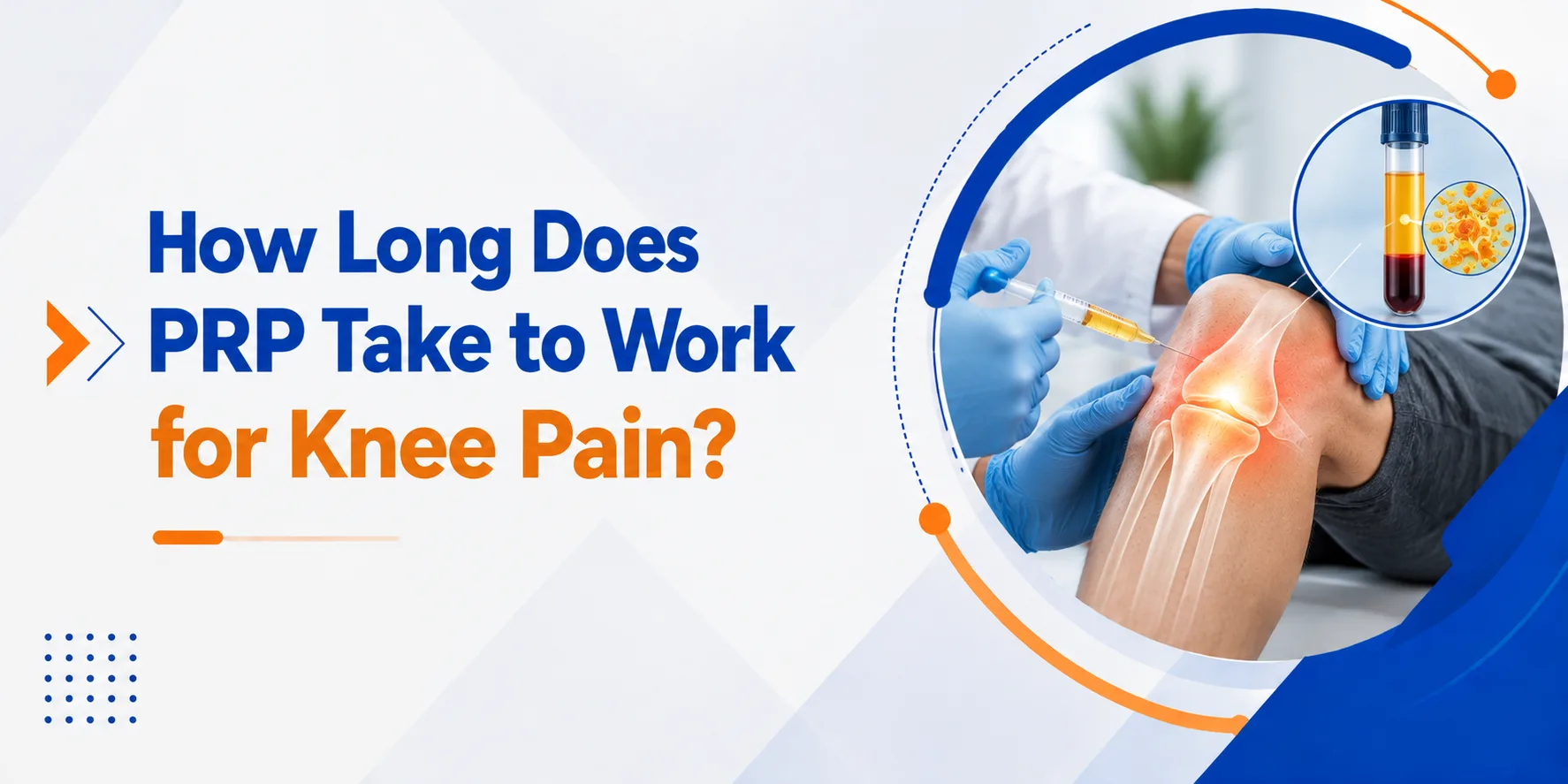
Most people notice improvement in their knee about two to six weeks after a PRP injection for knee pain. The bigger gains take longer and tend to build over the three to six month mark. PRP isn’t instant, and that surprises many patients. Here’s what the...
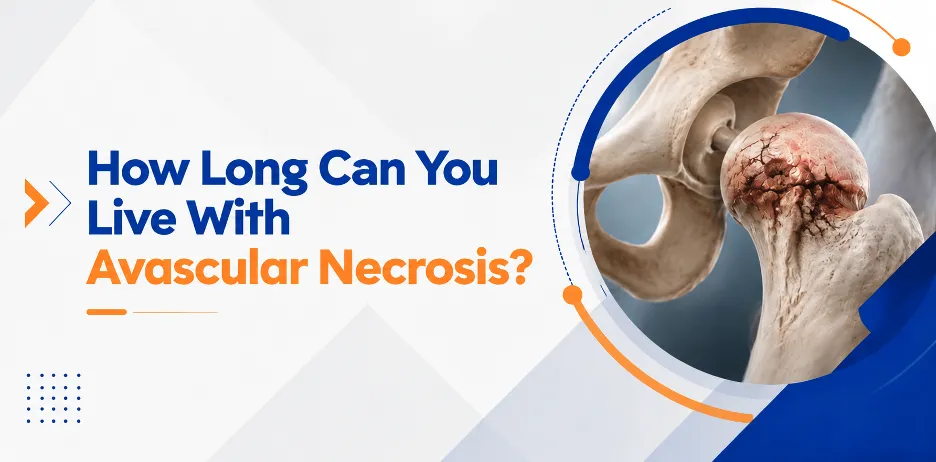
TL;DR: Avascular necrosis (AVN) does not shorten your overall life expectancy, it’s a bone and joint condition, not a life-threatening disease. However, if left untreated, it can progressively worsen over months to years, eventually leading to joint collapse,...
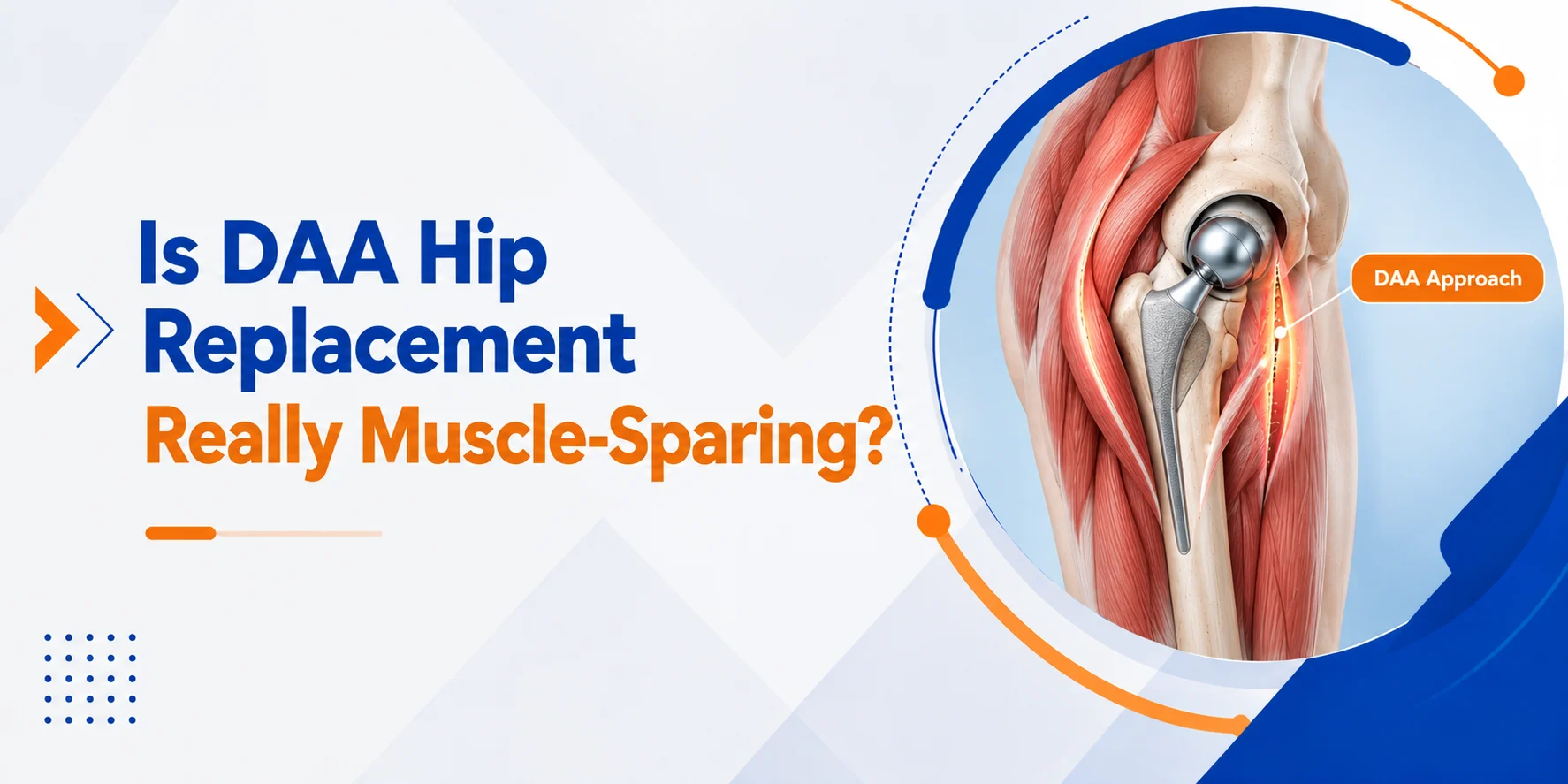
Same day walking after DAA hip replacement comes down to what the surgery leaves undisturbed, not just pain control or willpower. Because Direct Anterior Approach hip replacement works through a muscle sparing interval instead of cutting through major stabilizing...
DAA hip replacement earns its muscle-sparing reputation because of the route the surgeon takes to reach the hip joint. The approach works through a natural gap between two front hip muscles, the sartorius and tensor fasciae latae, known as the Smith-Petersen interval,...
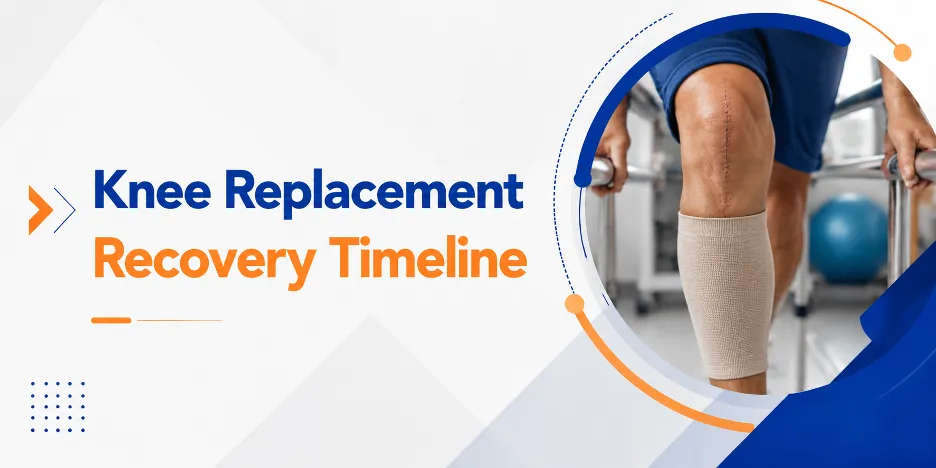
Recovery after knee replacement follows a fairly predictable pattern for most patients: the first few days focus on pain control and getting up with support, the first 6 weeks bring rapid gains in bending and walking, weeks 6–12 are about building strength and...