
Natural Remedies for Knee Pain: What Actually Works and When You Should See an Orthopedic Surgeon
Most knee pain can be managed naturally with the right approach, weight loss, quadriceps strengthening, hot and cold therapy, regular walking, an anti-inflammatory diet, and a proper knee brace all help ease mild to moderate pain. But knee pain has many possible causes, from osteoarthritis and meniscus tears to ligament injuries and tendinitis, so these remedies work best when paired with an accurate diagnosis. Knowing what’s normal and what isn’t makes recovery less stressful and helps you know when it’s time to call an orthopaedic surgeon, especially if pain lasts more than 4–6 weeks, keeps returning, or affects your ability to walk.
Knee pain is one of the most common complaints among adults, whether it comes from ageing, an old sports injury, arthritis, or simply years of wear and tear. The good news is that a large number of people can manage mild to moderate knee pain with simple, natural strategies at home. The key is knowing which remedies are backed by real evidence, and understanding when home care is no longer enough.
In this guide, we break down the natural remedies that genuinely help with knee pain, and explain the warning signs that mean it’s time to consult an orthopaedic surgeon.
Not sure where your knee pain falls on this spectrum? Get expert clarity from Dr. Avinashdev Upadhyay before it gets worse.
Why Natural Remedies Matter Before Jumping to Surgery
Not every case of knee pain needs an operation. Many people experience relief through lifestyle changes, targeted exercises, and simple home therapies. Understanding your options can help you make informed decisions and avoid unnecessary interventions, while still knowing when professional care is essential. If you’re unsure where your knee pain falls on this spectrum, you can learn more about knee care approaches directly from an orthopaedic specialist’s perspective.
6 Natural Remedies for Knee Pain That Actually Work
Not every case of knee pain needs an operation. Many people experience relief through lifestyle changes, targeted exercises, and simple home therapies. Understanding your options can help you make informed decisions and avoid unnecessary interventions, while still knowing when professional care is essential. If you’re unsure where your knee pain falls on this spectrum, you can learn more about knee care approaches directly from an orthopaedic specialist’s perspective.
1. Weight Loss: Reducing the Load on Your Knees
Not every case of knee pain needs an operation. Many people experience relief through lifestyle changes, targeted exercises, and simple home therapies. Understanding your options can help you make informed decisions and avoid unnecessary interventions, while still knowing when professional care is essential. If you’re unsure where your knee pain falls on this spectrum, you can learn more about knee care approaches directly from an orthopaedic specialist’s perspective.
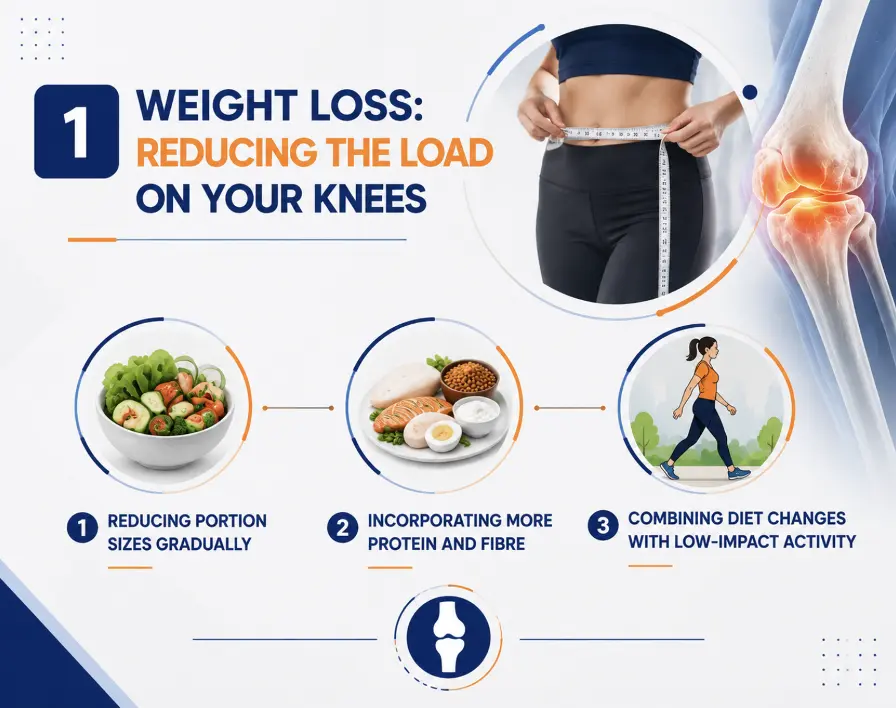
Every extra kilogram of body weight adds several kilograms of pressure on your knees with each step, especially while climbing stairs or walking downhill. Even a modest reduction in weight—around 5 to 10 percent of body weight—can significantly reduce knee pain and slow down cartilage wear, particularly in people with osteoarthritis.
Practical steps include:
- Reducing portion sizes gradually rather than crash dieting
- Incorporating more protein and fibre to stay full longer
- Combining diet changes with low-impact activity for sustainable results
Weight management isn’t just about aesthetics, it’s one of the most effective, low-cost interventions for chronic knee pain relief.
2. Quadriceps Strengthening: Building a Natural Knee Support System
The quadriceps muscles at the front of your thigh act like a natural brace for your knee joint. Weak quads mean the knee absorbs more stress during everyday movements, which accelerates pain and instability.
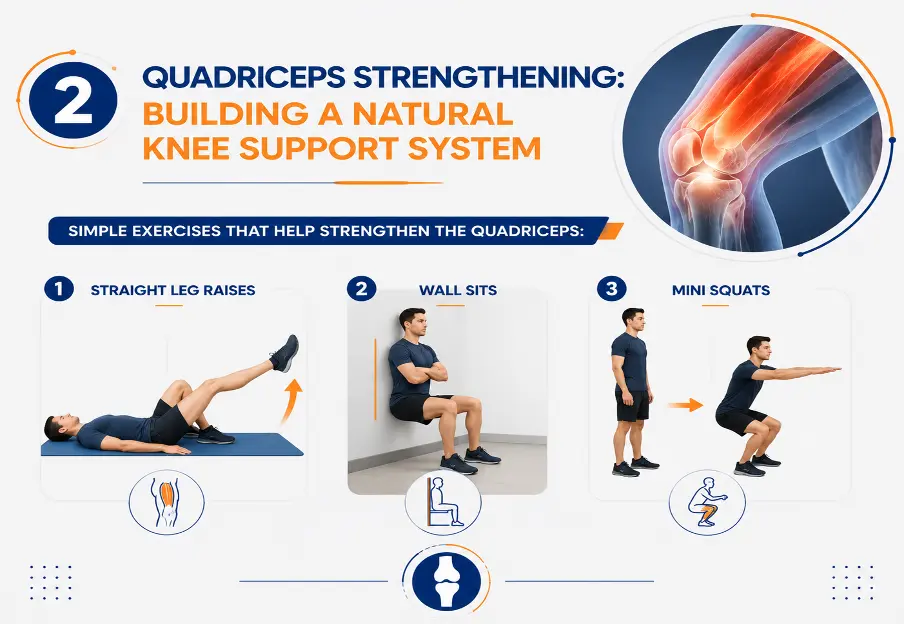
Simple exercises that help strengthen the quadriceps:
- Straight leg raises: Lying down and lifting a straightened leg slowly
- Wall sits: Holding a seated position against a wall for short intervals
- Mini squats: Partial squats with controlled movement
These exercises should be done consistently, and it’s wise to start slow, especially if you already have joint discomfort. A physiotherapist or orthopaedic consultation can help design a routine tailored to your condition.
3. Hot and Cold Therapy: Simple but Effective
Temperature therapy remains one of the most underrated natural remedies for knee pain.
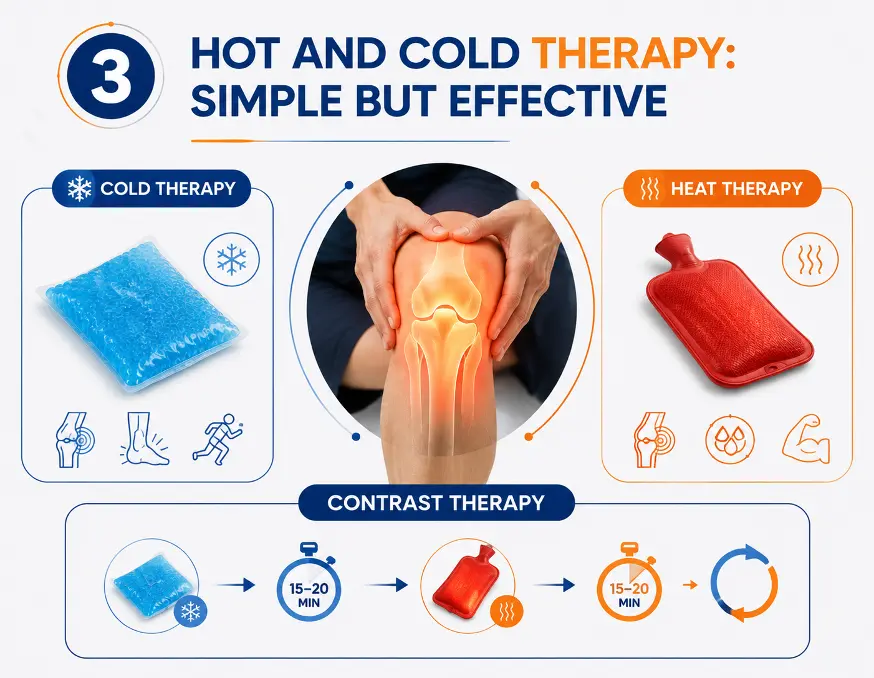
- Cold therapy (ice packs for 15–20 minutes) works best for acute pain, swelling, or after physical activity, as it reduces inflammation and numbs the area.
- Heat therapy (warm compresses or heating pads) is more effective for chronic stiffness, as it improves blood flow and relaxes tight muscles around the joint.
Alternating between the two, known as contrast therapy can also be useful for people with ongoing discomfort after activity.
4. Walking: Movement as Medicine
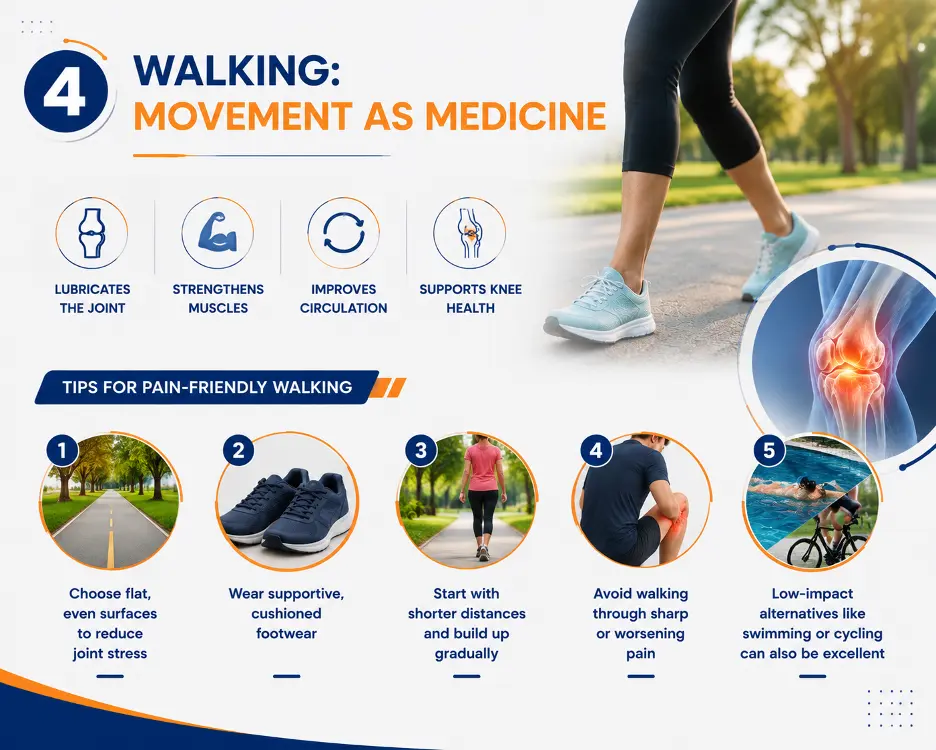
It may sound counterintuitive, but staying still often makes knee pain worse, not better. Gentle, regular walking helps lubricate the joint, strengthens supporting muscles, and improves circulation to the area.
Tips for pain-friendly walking:
- Choose flat, even surfaces to reduce joint stress
- Wear supportive, cushioned footwear
- Start with shorter distances and build up gradually
- Avoid walking through sharp or worsening pain
Low-impact alternatives like swimming or cycling can also be excellent if walking is uncomfortable initially.
5. Anti-Inflammatory Diet: Fighting Pain from Within
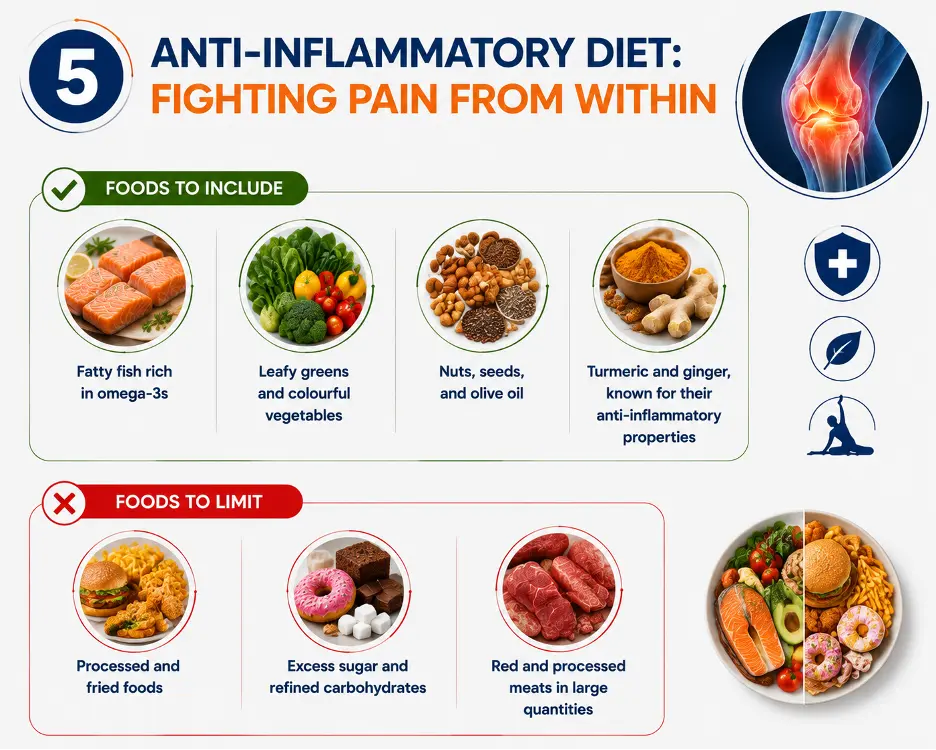
Chronic inflammation is a major contributor to joint pain, especially in conditions like osteoarthritis and rheumatoid arthritis. An anti-inflammatory diet can help manage symptoms naturally over time.
Foods to include:
- Fatty fish rich in omega-3s (salmon, sardines)
- Leafy greens and colourful vegetables
- Nuts, seeds, and olive oil
- Turmeric and ginger, known for their anti-inflammatory properties
Foods to limit:
- Processed and fried foods
- Excess sugar and refined carbohydrates
- Red and processed meats in large quantities
According to research summarised by the Arthritis Foundation, dietary changes can meaningfully reduce joint inflammation and pain over time, though results vary by individual and condition.
6. Knee Brace: External Support When You Need It

A knee brace can provide mechanical support, reduce strain during activity, and offer a sense of stability, particularly for people with mild ligament laxity, early-stage osteoarthritis, or those recovering from minor injuries.
Types of braces include:
- Sleeve braces for mild support and warmth
- Hinged braces for more significant instability
- Unloader braces designed specifically for arthritis-related knee pain, shifting weight away from the damaged part of the joint
It’s important to choose the right type based on your specific condition rather than picking one randomly, as an ill-fitting brace can sometimes do more harm than good.
When Natural Remedies Aren’t Enough
While the remedies above work well for many people, they aren’t a substitute for professional diagnosis, especially if you notice:
- Persistent swelling that doesn’t reduce with rest or ice
- Sharp or worsening pain despite lifestyle changes
- Knee locking, giving way, or instability while walking
- Visible deformity or inability to bear weight
- Pain that disrupts sleep or daily activities over several weeks
These could be signs of ligament tears, advanced arthritis, cartilage damage, or other structural issues that require medical evaluation and sometimes surgical intervention. Mayo Clinic notes that unexplained or persistent joint pain accompanied by swelling and reduced range of motion generally warrants a medical evaluation rather than continued self-management.
If pain persists despite these measures, consult an orthopaedic surgeon.
Conclusion
Natural remedies like weight management, quadriceps strengthening, hot/cold therapy, regular walking, an anti-inflammatory diet, and the right knee brace can meaningfully ease knee pain for many people. But they work best when paired with an accurate diagnosis of what’s actually causing the pain in the first place. Combining consistent self-care with timely professional guidance gives you the best chance at long-term, pain-free movement.
Patient Stories
Frequently asked questions
1. Can knee pain go away naturally without treatment?
Mild knee pain caused by overuse or minor strain often improves with rest, ice, and gentle movement. However, chronic or worsening pain usually needs a structured approach involving lifestyle changes or medical evaluation.
2. How long should I try natural remedies before seeing a doctor?
If there’s no noticeable improvement within 4 to 6 weeks of consistent home care, or if the pain worsens, it’s time to consult an orthopaedic surgeon for a proper diagnosis.
3. Is walking good or bad for knee arthritis?
Walking is generally beneficial for knee arthritis because it strengthens surrounding muscles and improves joint lubrication, as long as it’s done at a comfortable pace without pushing through sharp pain.
4. Does an anti-inflammatory diet really help with joint pain?
Yes, several studies suggest that anti-inflammatory foods can reduce joint inflammation and pain intensity over time, though it works best alongside other remedies rather than as a standalone solution.
5. When is knee surgery actually necessary?
6. Is climbing stairs bad for knee pain?
Not necessarily. Climbing stairs increases the load on the knee joint, so it may worsen pain if you have knee arthritis or an injury. However, avoiding stairs completely isn’t always necessary. Use a handrail, take one step at a time if needed, and stop if the pain becomes severe. If climbing stairs consistently causes significant discomfort, consult an orthopaedic surgeon to identify the underlying cause.
7. Should I wear a knee cap all day?
No. A knee cap or knee brace can provide support during activities that aggravate your symptoms, but wearing it all day may weaken the muscles around the knee over time. The type of brace and how long you should use it depends on your condition. It’s best to use one only on the advice of your orthopaedic surgeon or physiotherapist.
8. Which foods should I avoid if I have knee arthritis?
If you have knee arthritis, try to limit foods that may promote inflammation or contribute to weight gain. These include processed foods, sugary drinks, refined carbohydrates, fried foods, and excessive amounts of red or processed meat. Instead, choose a balanced diet rich in vegetables, fruits, whole grains, healthy fats, and omega-3-rich foods to support joint health.
9. Can turmeric really help knee pain?
Turmeric contains curcumin, a natural compound with anti-inflammatory properties. Some studies suggest it may help reduce pain and stiffness in people with knee arthritis when used as part of a balanced treatment plan. However, turmeric alone is unlikely to replace exercise, weight management, physiotherapy, or medical treatment. Speak with your doctor before taking turmeric supplements, especially if you take blood-thinning medications.
10. Is cycling better than walking?
Both cycling and walking are excellent low-impact exercises for knee health. Walking helps maintain joint mobility and strengthens the muscles that support the knee, while cycling places less weight on the joint and may be more comfortable for people with arthritis or significant pain. The best choice depends on your symptoms and fitness level. If either activity causes increasing pain or swelling, seek medical advice before continuing.